

How to Build a Professional Espresso Machine
For coffee shops and cafes looking to attract customers who have an interest in barista and espresso skills, this is a great option. It's an official machine for the World Barista Championships, and it shows.
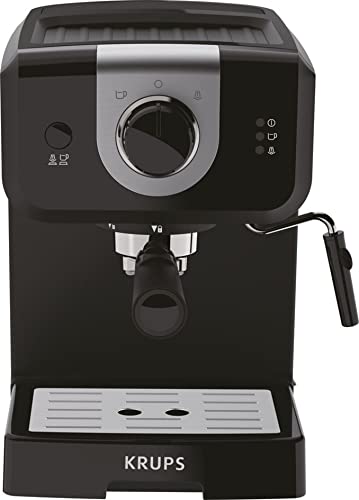
It also has a reservoir for water to ensure that the barista only needs to refill it once during their shift. The machine also comes with steam wands that are cool-touch and a hot water tap for tea.
Water
A commercial espresso machine should be able to produce a large volume of espresso-based drinks effectively. They are usually constructed of stainless steel, which is durable and resistant against breaks and scratches. These espresso machines are also easier to maintain and keep clean.
A good machine will have a separate shut-off valve for the water line to prevent the formation of limescale. This will ensure any repairs are limited to the affected components of the machine and will not affect the operation of the rest.
Check your water and ensure that it has been treated properly. You can remineralize distilled water by adding some minerals. It can improve the taste and lessen its erosive properties, but could also cause damage to certain machines. The remineralized wate can make the boiler sensor think the machine is full and it isn't. This could cause excessive heat and damage to the machine.
Grinder
The grinder is an essential part of a successful espresso maker. It is used to take a raw, unground bean and turns it into a finely ground coffee that can then be put into the filter basket to create an excellent extraction.
Commercial-grade professional espresso machines typically have a built-in grinding unit that can be programmed to grind for various sizes of drinks, ensuring consistency in results every time. Super-automatic espresso machines take this one step further, by automating and programming the entire process from brewing to grinding to dispensing. These machines are often praised by Lab tests for being easy to use.
Semi-automatic and manual machines require more effort from the barista but often the results are worth it. This model won an 2022 Good Housekeeping Coffee Award for its intelligent dosing system that weighs and dispenses the correct amount of ground coffee each time. It also features the ability to use a low pressure pre-infusion to ensure well-balanced extraction, as well as a milk frother that produced rich, thick steamed-milk during our tests.
Temperature
When it comes to espresso temperature plays a huge factor in the taste and quality of your coffee. If the water isn't at an optimal temperature, it could slow the extraction process and cause the coffee being bitter.
Fortunately, high-quality espresso machines include tools that allow you to ensure that your water is at the correct temperature. A PID monitors and regulates the temperature of water. The other way is by using a double boiler system. This allows you to use one boiler for tea and steam and the other one to heat water to brewing temperatures.
Carles explains that these systems can be beneficial for both large businesses and baristas who work from home. relevant web-site can help novices to dial in the perfect espresso shot because they are able to maintain an exact temperature and eliminate many variables that can affect the flavor of the flavor. It helps experienced baristas to make their shots exactly how they want them.
Pressure
The pressure an espresso maker uses is another factor which affects the quality of the coffee it makes. Many espresso drinkers notice that their coffees taste different depending on the amount of pressure that is used, even though all other factors remain constant.
Most commercial machines use 9 bars of pressure in order to make espresso. They also tend to be driven by pumps rather than steam-driven. Although there are machines with higher pressures they generally require a more complicated group head design to handle the increased pressure levels.
While you may see espresso machines that advertise 15 or even 18 bars of pressure, nine bars is generally regarded as the gold standard for creating consistently excellent espressos. These machines with higher pressure are generally cheaper and intended to be used at home.
In comparison, 9 bars of pressure is four times higher than the pressure applied by your car tire. The more pressure a professional espresso machine can put on and the more effective it will be at capturing the taste of your favorite coffee beans. It's worth investing in high-quality machines that can give the highest quality results.
Barista Skills
A barista must be able to accept and process orders from customers quickly and accurately. This is particularly important in busy times at the coffee shop. Effective customer service skills are essential for building relationships with customers and increasing the sales of the coffee shop. This includes recognizing regular customers, resolving problems efficiently, and remaining positive and amiable in tough situations.
Baristas frequently need to be skilled at multitasking, since they are required to take orders as well as operate a cash register as well as communicate orders to coworkers and respond to phone calls all at once. This skill allows the customer to enjoy a pleasant coffee shop experience by ensuring that orders are delivered promptly.
It is crucial for a barista's knowledge to be able to make various drinks using an espresso machine. This can be gained through reading up on the different types of coffee, attempting the drinks in person and watching videos on the internet. Many baristas consider it beneficial to attend classes on the topic, which are offered by a variety of organizations.